
Lone Worker Safety for Utility & Renewable Energy Engineers
Book Your Free Onsite DemoProtecting Lone Workering Engineers
Connected protection for people
maintaining essential infrastructure
A routine visit can become an emergency when a worker falls, becomes unwell, loses contact or cannot clearly explain their location.
Utility and renewable-energy engineers travel between isolated assets, inspect equipment without direct supervision and respond to faults outside normal working hours.
We organisations create a practical safety system around real risk.
Protect Your People
Give engineers an immediate way to call for help during accidents, medical emergencies or threatening situations.
Respond Faster
Send the worker’s emergency location and alert details to trained responders automatically.
Get Compliant
Support safe systems of work with documented alerts, agreed escalation procedures and auditable reporting.
The Risks Facing Utility and
Renewable-Energy Field Engineers
Utilities keep essential services running, but the work is often carried out across large territories where direct supervision and immediate assistance cannot be guaranteed.
Remote Sites
Substations, wind turbines, solar farms, reservoirs, pumping stations and communications sites may be miles from the nearest colleague.
Working at Height
Turbines, poles, ladders, platforms and elevated equipment increase the likelihood and potential severity of a fall.
Electrical and Mechanical Hazards
High-voltage systems, rotating machinery, stored energy and specialist equipment can turn an incident into a time-critical emergency.
Out-of Hours Fault Response
Storm damage, outages and equipment failures can require engineers to attend unfamiliar or remote locations at night.
Poor Connectivity
Rural terrain, buildings and enclosed infrastructure can make communication and accurate location more difficult.
Medical Emergencies Without Witnesses
A sudden illness, collapse or loss of consciousness may leave a worker unable to make a phone call or describe where they are.
Lone Worker Solutions for Utilities and Renewable Energy
The right solution depends on the task, environment, connectivity and level of risk. Lone Worker Ireland assesses how your engineers actually work, then configures the devices, alerts, locations and response procedures around your operation.
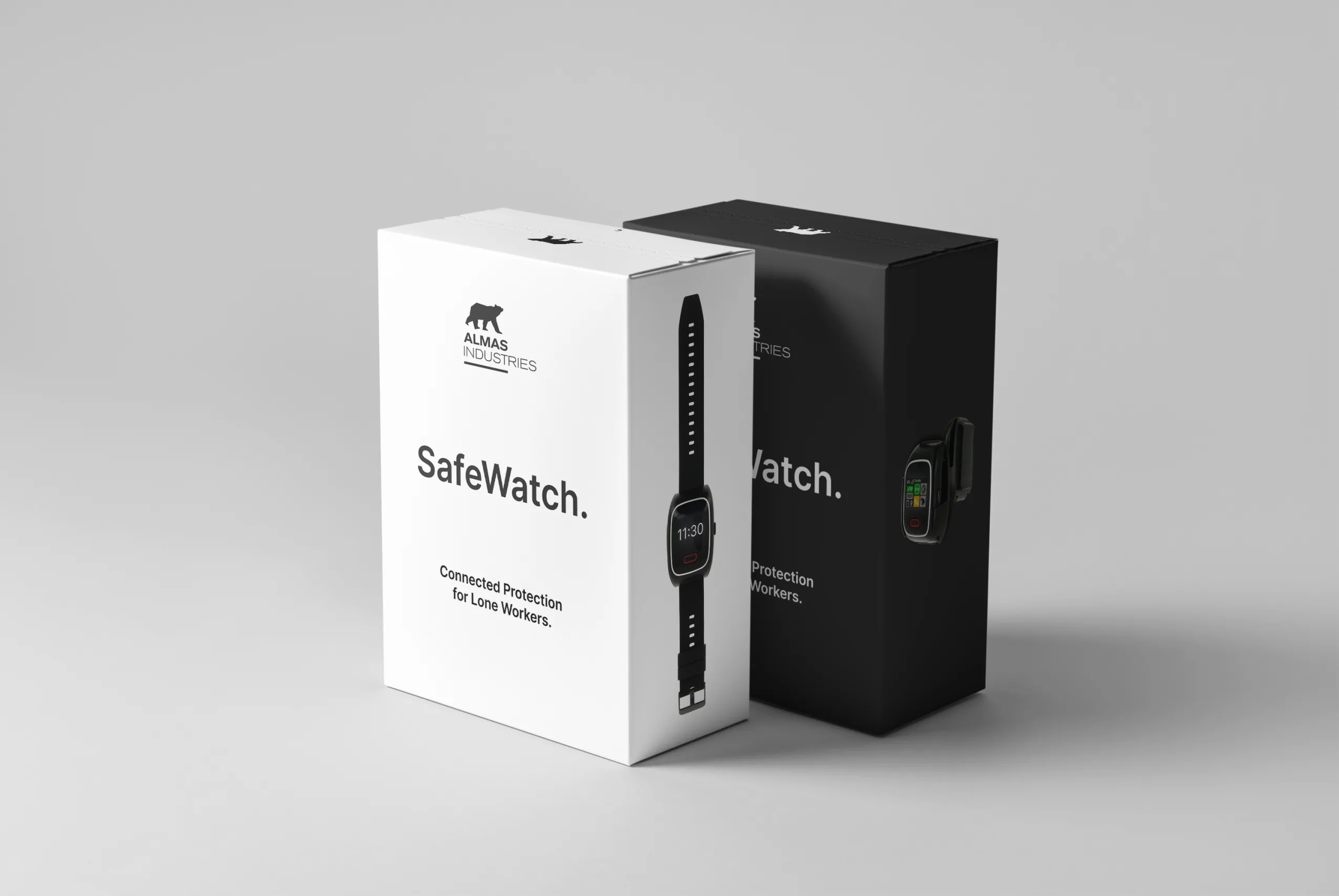
Lone Worker Safety Watch
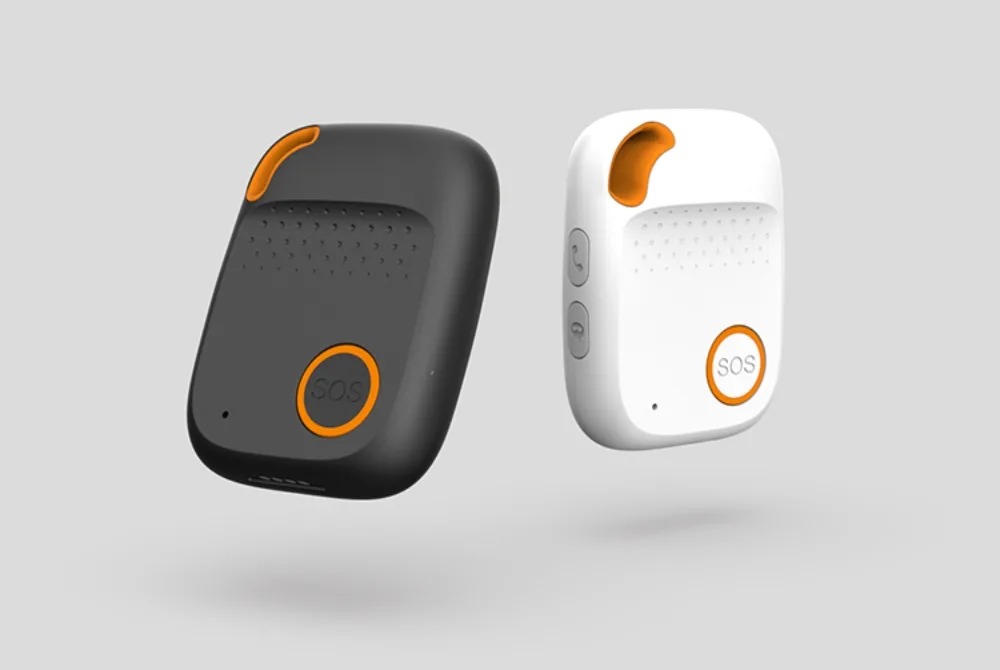
Dedicated, wearable protection for engineers who need fast access to help without first finding or unlocking a phone.
Raise an SOS with one touch, even when a mobile phone is inside a vehicle, tool bag or protective clothing.
Send an automatic fall or inactivity alert when an injured worker may be unable to respond.
Provide GPS, Wi-Fi or Bluetooth-based location information so help can be directed to the correct site or zone.
Use two-way communication to help the monitoring team assess the incident and follow the agreed response procedure.
Lone Worker App+
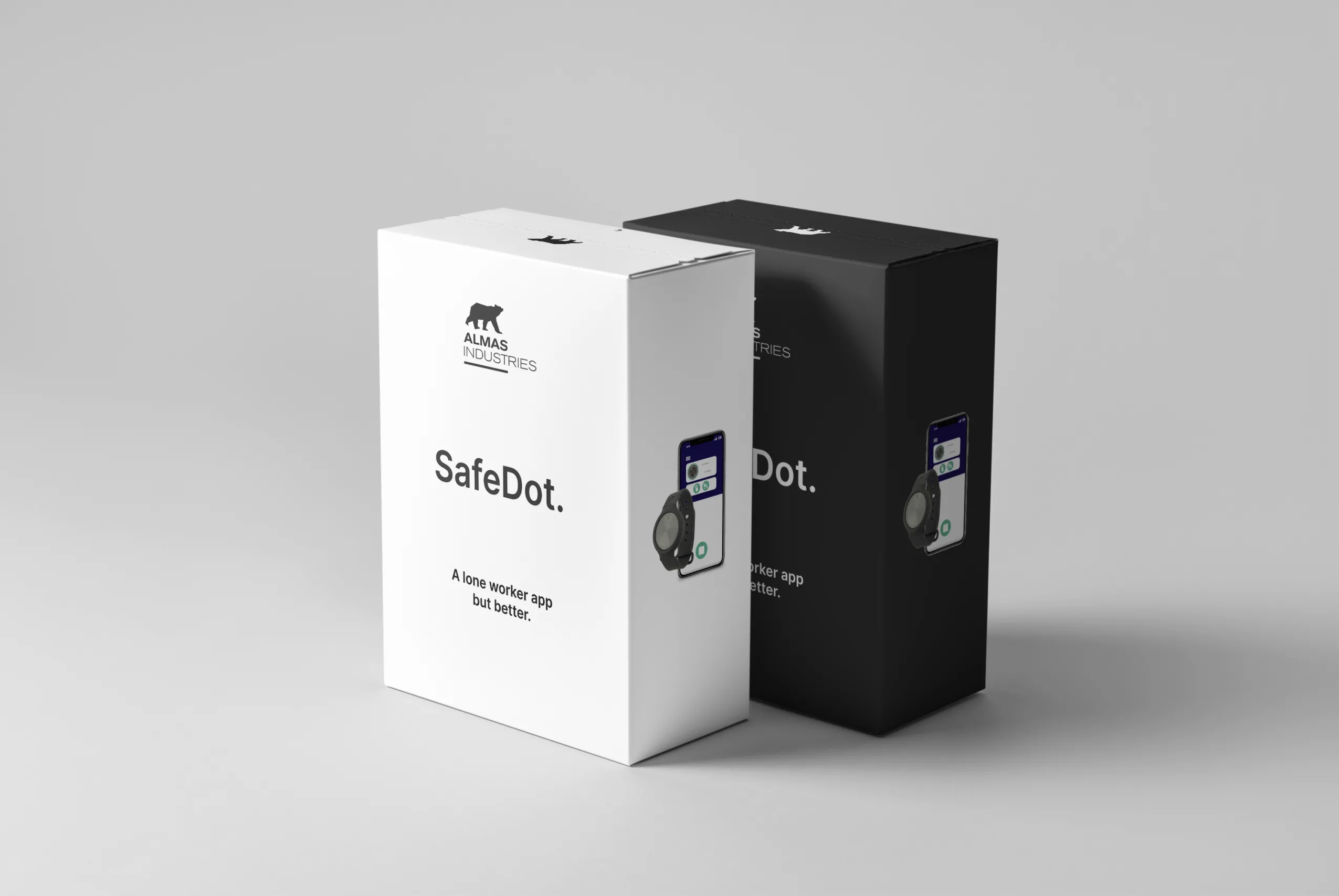
A flexible option for mobile engineers who carry a smartphone but still need an accessible, physical SOS control.
Activate an emergency alert from a wearable button without reaching for the phone.
Share the worker’s emergency GPS location when an alert is raised.
Warn the user if the wearable button disconnects from the phone, reducing the risk of unnoticed loss of protection.
Choose wristband, lanyard or clip options to fit different roles and PPE requirements.
ATEX Range
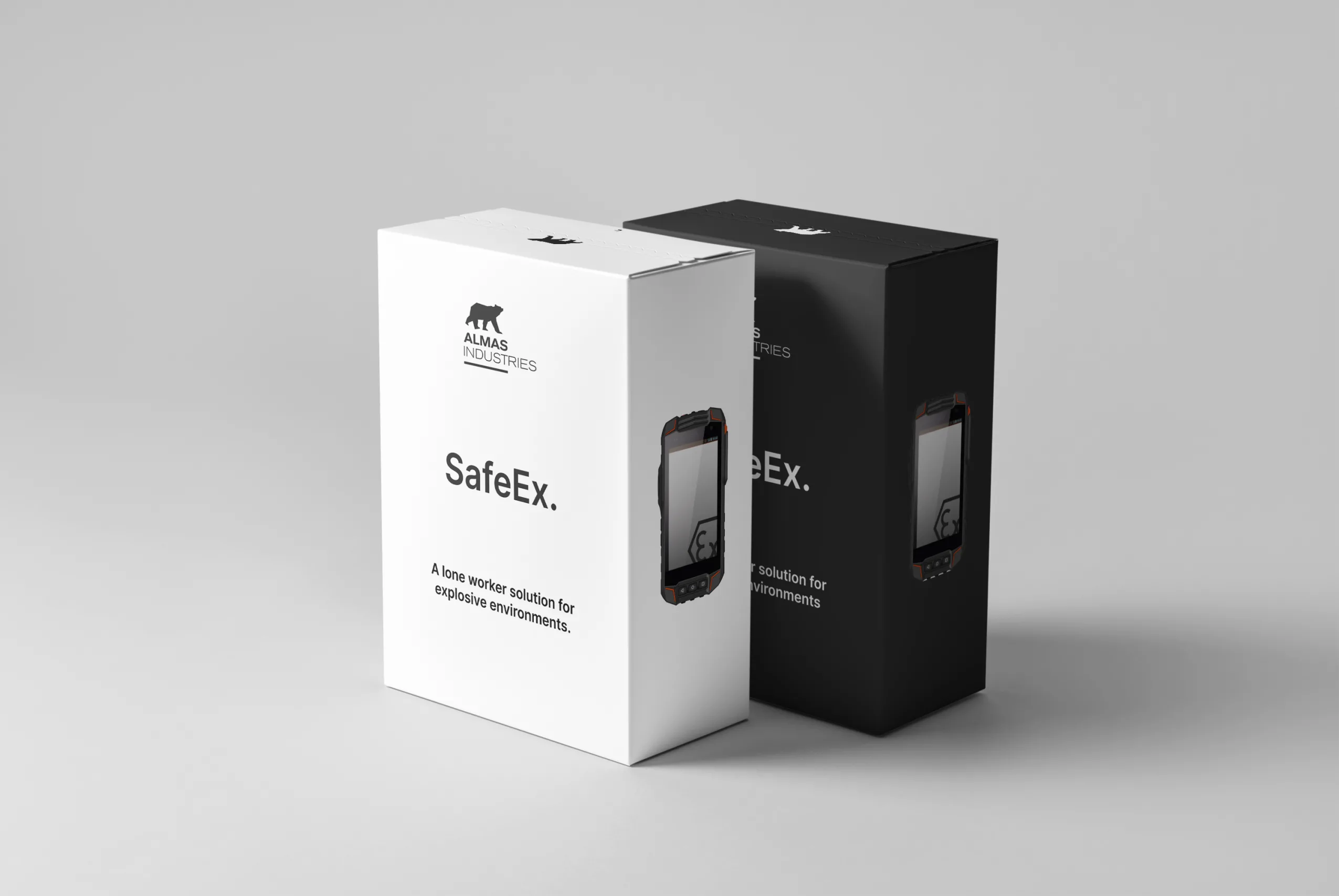
Specialist protection for engineers entering environments where explosive gases, vapours or combustible dust may be present.
Use certified equipment designed for specified ATEX zones rather than introducing an unsuitable device into a hazardous area.
Combine manual SOS, man-down and inactivity alerts for both conscious and incapacitated emergencies.
Locate workers through GPS, Wi-Fi or compatible ATEX Bluetooth beacons.
Maintain clear communication through robust devices designed for demanding industrial conditions.
24/7 ARC Monitoring
Professional response for teams working across dispersed sites, travelling between assets or operating beyond the reach of a constantly staffed local control room.
Ensure alerts are presented to trained operators at any hour, not left waiting in an unattended inbox or on a manager’s phone.
Verify the situation through two-way communication or an agreed silent response, depending on the alert type.
Escalate to emergency services, managers or named contacts using a response plan agreed in advance.
Receive post-incident reporting that records response times and the actions taken.
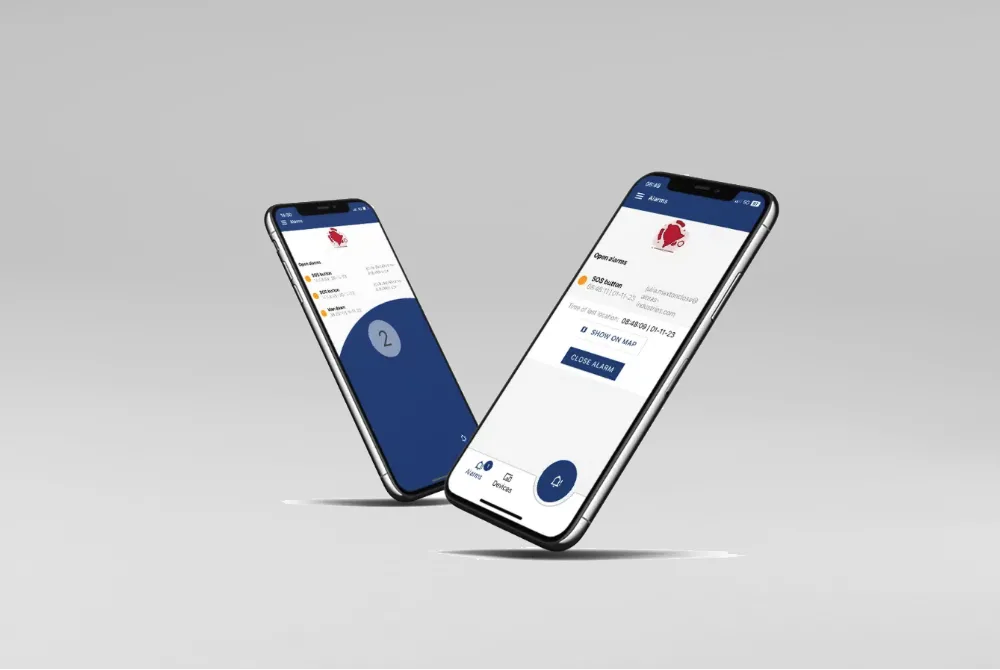
Employer Platform and Welfare Monitoring
Operational visibility for organisations managing multiple workers, devices, teams and escalation routes.
View devices and alerts from one platform rather than relying on separate manual records.
Configure different response actions for teams, alert types, locations or working patterns.
Use check-ins or timed welfare processes where the risk assessment requires confirmation that a task has been completed safely.
Review non-usage and incident information to support adoption, audits and continuous improvement.
Ireland’s Energy Infrastructure Is Expanding
Ireland’s transition to renewable electricity is creating a larger, more geographically dispersed network of generation assets, grid connections and service requirements.
That growth increases the number of engineers, technicians and contractors who may spend part of their working day alone in remote or hazardous environments.
5.1 GW
Installed wind capacity in Ireland during 2025.
1.6 TWh
Electricity generated by solar PV in 2025, 50% higher than in 2024.
5 GW
Government target for installed offshore wind capacity by 2030, with longer-term plans extending beyond this decade.
Why Utility and Renewable-Energy Organisations
Choose Lone Worker Ireland
A device alone does not create a reliable lone worker system.
Protection depends on selecting the right technology, configuring it around the risk, making sure employees know how to use it and maintaining a response process that works when an alert occurs.
Designed Around Real Field Risks
We consider tasks, environments, connectivity, working hours and escalation resources before recommending the solution.
One Accountable Partner
Consultation, device specification, setup, monitoring, training, support and ongoing adjustments are managed as one service.
Supported from Day One
Your teams receive practical onboarding and communication support, while your organisation gets configured response procedures and technical assistance.
Trusted by Organisations Maintaining Essential Infrastructure
Lone Worker Ireland supports organisations whose employees and contractors work across dispersed sites, industrial facilities and critical infrastructure.
ADD NEW LONE WORKER GLANUA TESTIMONIAL VIDEO
From Risk Assessment to Ongoing Protection
What Happens When a Field Engineer Needs Help?
ALERT
The worker presses SOS, or the device sends an automatic fall or inactivity alert.
LOCATION
The alert includes available GPS, Wi-Fi or Bluetooth location information.
COMMUNICATION
The ARC operator attempts to establish what has happened using the agreed communication method.
RESPONSE
Emergency services, managers or named contacts are contacted according to the pre-agreed procedure.
Protection Built Around the Way Field Engineers Work
Every Alert Is Answered by Real People
A field engineer may be working when local managers are travelling, asleep, in meetings or dealing with a wider operational incident.
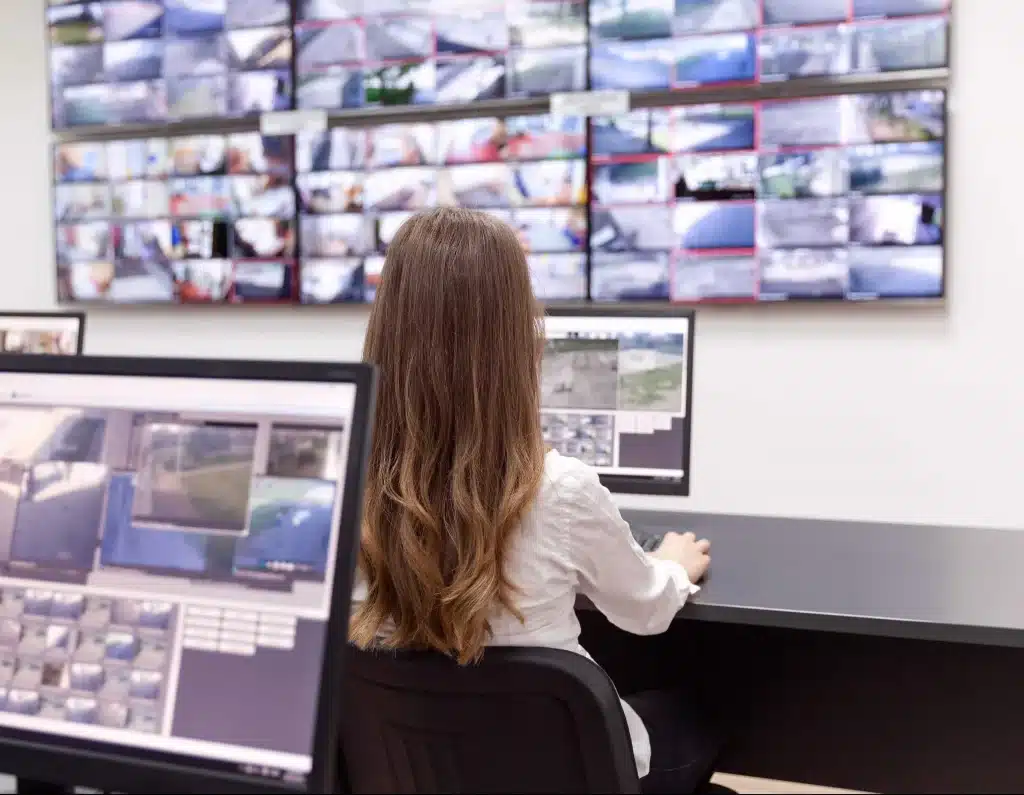
With 24/7 ARC monitoring, an alarm is presented to trained professionals who can follow the agreed procedure immediately. The operator receives the alert and available location, attempts communication where appropriate, verifies what is happening and escalates to emergency services or nominated contacts.
This creates a consistent response route for teams spread across large geographic areas and reduces dependence on one person being available to notice and act on an alert.
- 24/7 receipt of manual and automatic alarms.
- Alarm verification using the agreed overt, covert or no-response procedure.
- Two-way communication where the situation allows.
- Escalation to ambulance, fire service, An Garda Síochána, managers or other named responders.
- Employer notification and post-incident reporting.
- Pre-agreed instructions tailored to the organisation, team and alert type.

Book Your Free Lone Worker Safety Demo
A Demo that’s customised around your lone workers’ unique needs and risks.
In a 45 minute on-site demo we will cover:
- Your specific requirements
- You’ll see the app or device 1st hand that will best match your needs
- Which location and monitoring option is right for you
- The employer platform and how it can be customised for your unique needs.
- Almas’ service and on-going support
At the end of the meeting you’ll have an accurate and transparent quote for your specific requirements.
Lone Worker FAQs
Getting in touch is the best way to get specific questions answered but we’ve put together some information to the most often asked questions on our Lone Worker solutions
Why do utility and renewable-energy engineers need lone worker protection?
Field engineers may work alone at remote assets, travel between sites, attend faults outside normal hours or carry out tasks where a fall, medical emergency or equipment incident could leave them unable to call a colleague. Lone worker protection provides a direct or automatic way to raise an alarm and gives responders clearer information about where help is needed.
Which utility roles can use a lone worker system?
Solutions can be configured for electricity network engineers, wind turbine technicians, solar farm teams, water and wastewater workers, gas infrastructure engineers, telecoms field staff, maintenance contractors, inspectors and other employees who spend time working without direct supervision.
What happens when an engineer presses the SOS button?
The alert is sent to the configured monitoring destination, together with the available location information. With ARC monitoring, an operator follows the agreed response procedure, attempts communication where appropriate and contacts emergency services, managers or nominated responders as required.
Can the system raise an alarm if the worker is unconscious?
Yes. Suitable devices can be configured to detect a fall, loss of verticality or a period of inactivity. This allows an automatic alert to be generated when the worker may be unable to press SOS. The exact alert settings should be selected around the task and how the device is worn.
Will the device work in remote areas with weak mobile coverage?
The Safety Watch uses a roaming SIM that can use an available supported mobile network, while GPS can determine outdoor location independently of ordinary phone signal. However, some network connectivity is still required to transmit an alert. Site conditions should therefore be assessed, and alternative or complementary procedures considered where reliable communications cannot be assured.
How is an engineer located at a large site?
Outdoor incidents can be located using GPS. Wi-Fi and Bluetooth beacons can provide additional indoor or zone-based location at substations, plants, control buildings or other defined areas. The appropriate method depends on the layout and accuracy required.
Are ATEX devices available for hazardous utility environments?
Yes. Lone Worker Ireland offers ATEX-certified options for specified explosive atmospheres. The device and zone certification must be matched to the actual hazardous-area assessment rather than assumed to be suitable for every environment.
Is a mobile app enough for field engineers?
An app may be appropriate for some lower-risk roles, but a phone can be inside a pocket, cab or tool bag when an incident happens. Pairing the app with a wearable button can make SOS activation more accessible. Higher-risk work may justify a dedicated safety watch or specialist ATEX device.
Can different teams have different emergency procedures?
Yes. Alert actions and escalation routes can be configured around different groups, locations, working hours and alert types. For example, an automatic fall alarm may follow a different process from a discreet SOS alert or a missed welfare check.
Does lone worker monitoring track employees all the time?
The website’s current product information states that location is normally sent for configured events, such as an alarm, rather than continuously. Organisations should explain clearly how location information is used, document the lawful purpose and configure the system proportionately.
How does Lone Worker Ireland support implementation?
The service includes consultation, solution specification, configuration, onboarding, training and ongoing technical support. This helps turn the technology into a working safety process rather than leaving the employer to set up devices and escalation procedures alone.
Can we see the system before choosing a solution?
Yes. A free onsite demo allows your team to see the devices, test the alert journey and discuss how the system could be configured around your engineers, sites and emergency response resources.