

Home > Knowledge Hub > Blog
The Most Dangerous Jobs for Lone Workers in Ireland, And the Devices Protecting Them
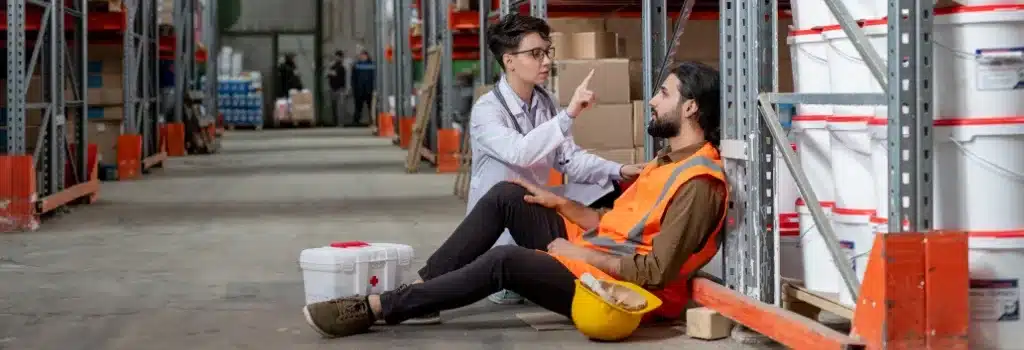
Across Ireland, thousands of employees work alone every day. From community healthcare workers visiting patients to engineers maintaining remote infrastructure, lone workers often operate without immediate support if something goes wrong.
While lone working is common across many industries, it also introduces significant safety risks. If an accident, medical emergency, or violent incident occurs, help may not arrive quickly unless safeguards are in place.
This is why many organisations are now turning to lone worker devices to protect staff and ensure rapid response during emergencies.
In this article, we explore some of the most dangerous jobs for lone workers in Ireland and the technology helping businesses keep their employees safe.
What is a Lone Worker?
A lone worker is someone who performs their job without direct supervision or colleagues nearby. According to the Safety, Health and Welfare at Work Act 2005, Irish employers have a duty to ensure the safety, health, and welfare of employees, including those working alone.
Lone workers may include:
- Field service engineers
- Healthcare and social care workers
- Security guards
- Construction workers
- Utility and maintenance technicians
- Agricultural workers
Because these roles involve working in isolation, organisations must assess risks and implement appropriate safety measures.
Why Lone Workers Face Higher Risks
Working alone can increase the severity of workplace incidents. Without nearby colleagues, even minor situations can escalate into serious emergencies.
Common risks include:
- Workplace accidents or injuries
- Medical emergencies such as heart attacks or falls
- Violence or aggression from members of the public
- Environmental hazards in remote locations
- Delayed emergency response times
In many cases, the greatest danger is not the incident itself, but the delay in receiving help.
This is why reliable lone worker devices have become an essential part of workplace safety strategies.
High Risk Lone Worker Jobs in Ireland
Healthcare and Community Care Workers
Community nurses, social workers, and care assistants frequently travel alone to patient homes. While most visits are routine, workers can encounter unpredictable situations.
Risks include:
- Aggressive or distressed individuals
- Slips, trips or falls while working alone
- Medical emergencies during visits
- Personal safety alarms and GPS enabled devices allow staff to discreetly request help if they feel unsafe.
Utility Engineers and Maintenance Technicians
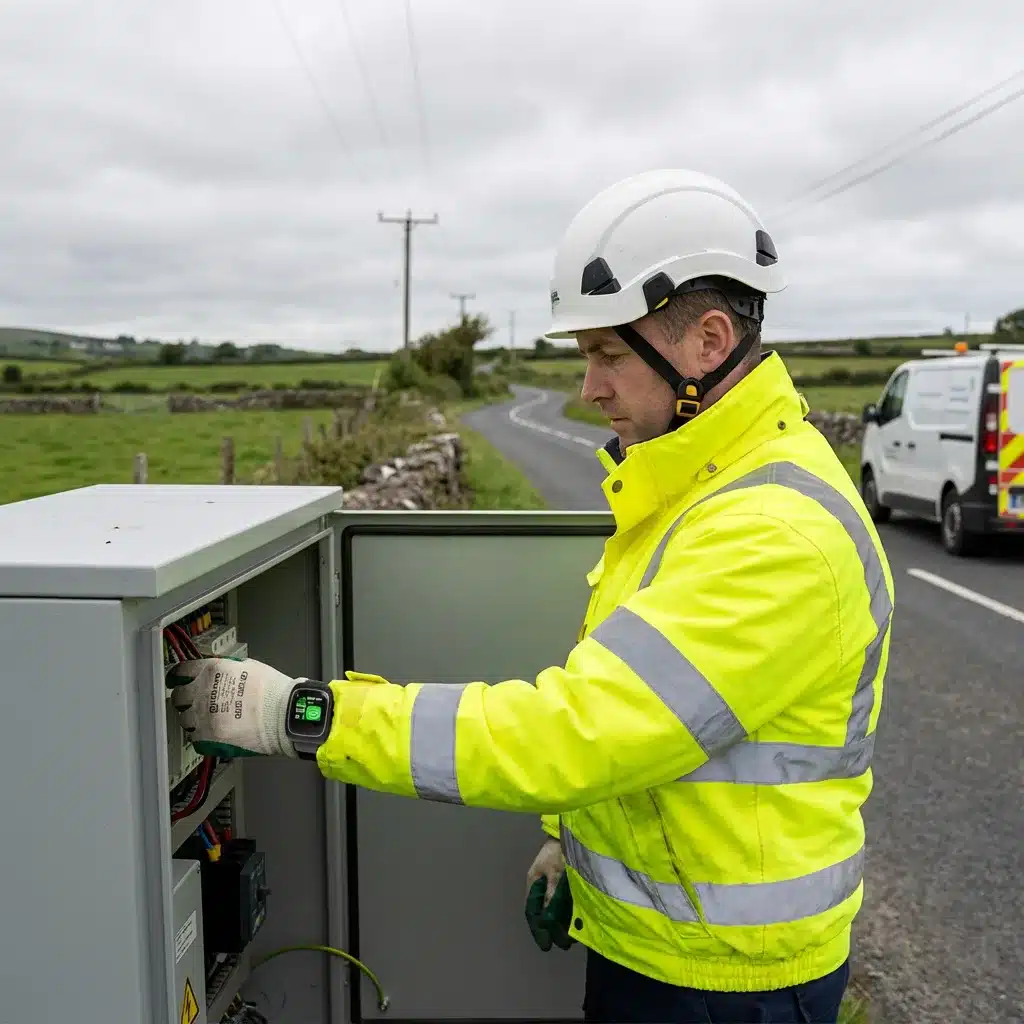
Engineers maintaining telecommunications, energy networks, or water infrastructure often work in remote or hazardous environments.
Typical risks include:
- Electrical hazards
- Working at height
- Confined spaces
- Remote locations with limited communication
Lone worker devices with automatic fall detection can raise an alert if a worker becomes unconscious or immobilised.


Security Guards and Patrol Officers
Security personnel regularly work alone, particularly during night shifts.
Their responsibilities often involve:
- Locking and unlocking buildings
- Responding to alarms
- Patrolling large or isolated sites
Security workers may encounter intruders or confrontational situations, making panic alarms and monitoring support critical.
Construction and Facilities Maintenance Workers
Construction sites can become dangerous environments when workers are isolated.
Hazards may include:
- Heavy machinery
- Working at height
- Exposure to hazardous materials
- Limited visibility or supervision
If an accident occurs while someone is working alone, a lone worker device can instantly notify a monitoring centre.

Agriculture and Forestry Workers
Ireland’s farming sector involves extensive lone working, particularly in rural areas.
Farmers and forestry workers frequently operate machinery and equipment without immediate assistance nearby.
Common risks include:
- Machinery accidents
- Vehicle rollovers
- Falls or injuries in remote locations
Lone worker alarms ensure help can be contacted quickly if an incident occurs.
How Lone Worker Devices Protect Employees
Modern lone worker devices provide multiple layers of protection for employees working alone.
Typical features include:
- SOS panic alarm for immediate assistance
- Fall detection that triggers an automatic alert
- GPS location tracking to identify where the worker is
- Two way communication with monitoring centres
- 24/7 professional response services
When an alarm is triggered, trained monitoring teams can assess the situation and escalate to emergency services if required.
This ensures employees are never truly alone, even when working remotely.
Moving Beyond Manual Check In Systems
Historically, some organisations relied on check in calls or buddy systems to monitor lone workers.
While these approaches provide some reassurance, they have limitations.
Manual systems can fail if:
- A worker forgets to check in
- An incident prevents them from making contact
- Communication signals are poor
Dedicated lone worker devices provide automatic, real time protection, removing reliance on manual processes.
Choosing the Right Lone Worker Device
Not all lone worker environments are the same. Businesses should consider:
- The type of risks employees face
- Whether workers operate indoors or outdoors
- Coverage and connectivity requirements
- Monitoring and emergency response services
Selecting the right solution ensures protection is aligned with the real risks faced by employees.
Protecting Lone Workers in Ireland
Lone working will always be part of many industries, but modern technology allows organisations to dramatically reduce the risks involved.
By implementing lone worker devices, employers can ensure rapid emergency response, improve employee confidence, and demonstrate compliance with workplace safety obligations.
If your organisation employs staff who work alone, investing in the right safety solution could make a critical difference when it matters most.
Discover Lone Worker Devices Designed for Irish Businesses
Explore how advanced monitoring technology can protect your employees and support your duty of care.
👉 Learn more about lone worker devices and how they work here:
https://loneworker-safety.ie/lone-worker-devices/
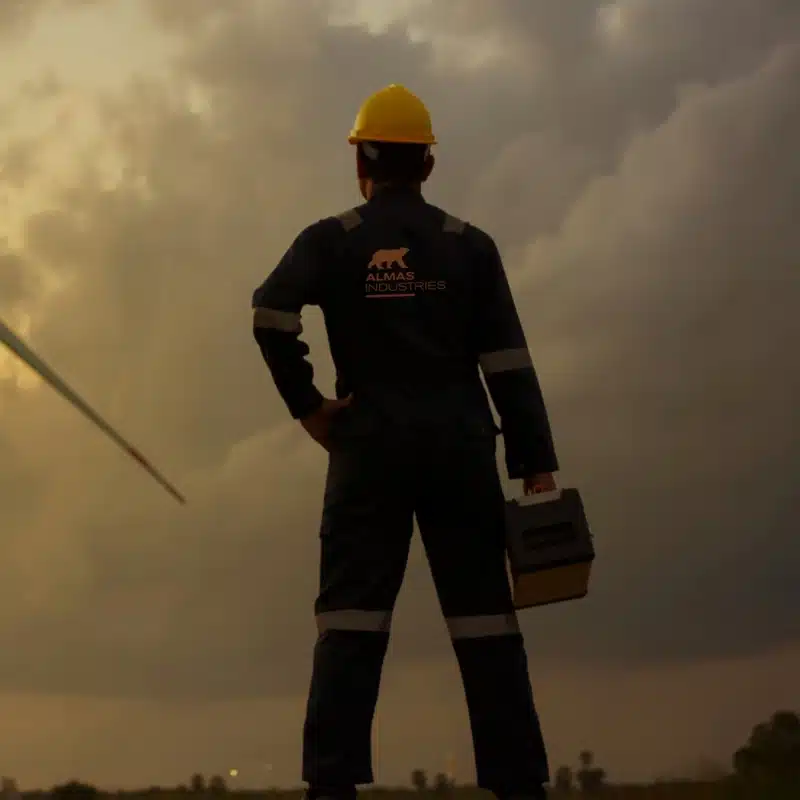
Almas Industries: Leading the Way in Lone Worker Safety Technology
We are at the forefront of innovative lone worker solutions, providing Irish businesses with dependable tools to protect their employees.
Our commitment to practical, real-world applications means these solutions are tailored to the challenges faced by Irish lone workers across different sectors.
Social Media
For all the latest Lone Worker news follow our social media!
Don't Wait Until It's Too Late
Protect Your Team Today with Almas Industries
The commercial landscape is in a state of constant flux, and so are the safety challenges that come with it.
There’s no time like the present to reassess and strengthen your worker protection.
Stay Ahead with Innovative Solutions
In a world where litigation is becoming more common and health and safety legislation more stringent, a tick box solution isn’t sufficient. Stay compliant and more importantly provide a meaningful solution to keep your team safe with our cutting edge solutions.
Tailored for You
Generic solutions often lead to vulnerabilities. We offer a bespoke approach to lone worker protection, designed to meet the unique needs and challenges of your business.
24/7 Exceptional Customer Service
Safety is a round-the-clock concern, and so is our ARC monitoring service and our customer care. From installation and training to regular maintenance checks, our support teams are always at your disposal to ensure seamless operation. Our installation and feedback scores from our customers in the last year consistently score over 4.5 out of 5.
Protect Your Lone Workers Now
Get advice on the solution that aligns with your operational structure, geographical spread of lone workers, and your operational hours.
Contact us today to work with a leader in Irish Lone Worker Protection